Pakistan is exploring new technology partnerships with Chinese robotics companies as the country looks to accelerate cooperation in robotics, artificial intelligence and advanced manufacturing.
Pakistani technology delegations, researchers and trade representatives took part in the 2026 World Robot Conference (WRC 2026) in Beijing, where they held discussions with Chinese companies and technology stakeholders about potential areas of cooperation.
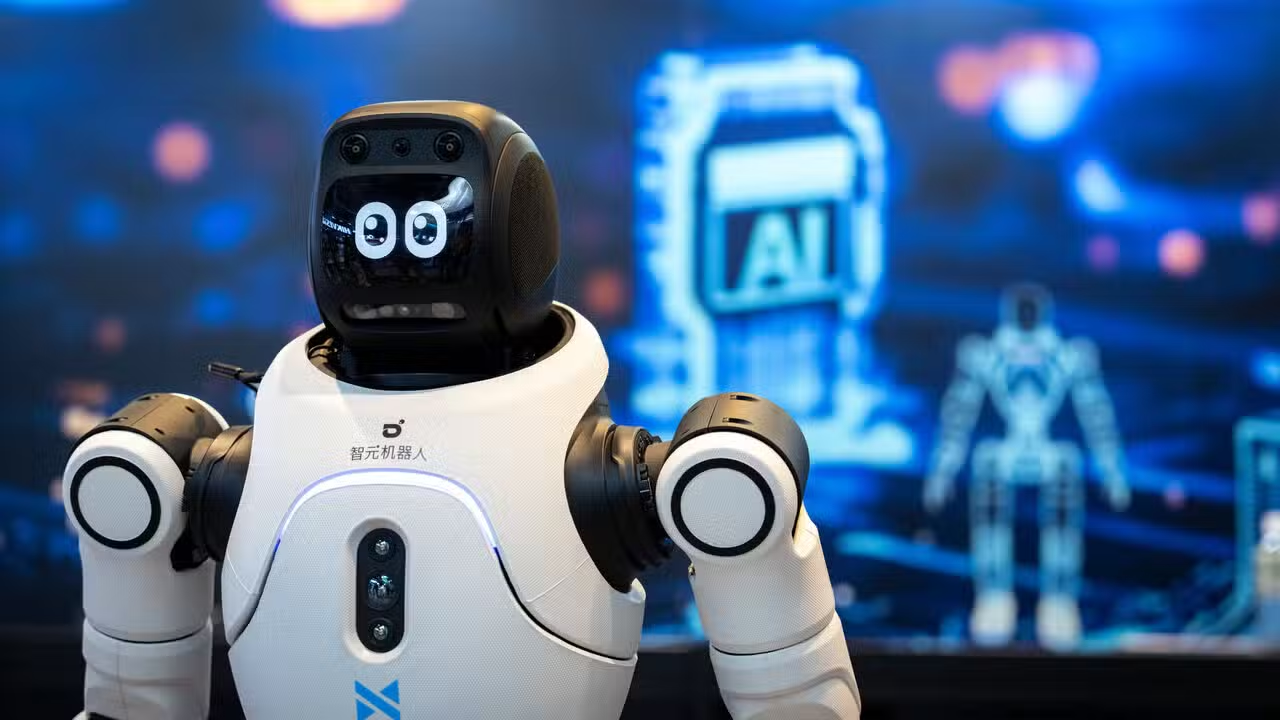
The World Robot Conference was held in Beijing from August 19 to 23 and brought together companies and technology experts showcasing developments in robotics, embodied artificial intelligence and smart manufacturing. More than 300 companies participated, with over 3,000 innovative products presented at the event.
For Pakistan, participation in the conference provided an opportunity to examine how advanced robotics could contribute to industrial modernization and digital transformation.
Potential cooperation with Chinese robotics companies could cover areas including industrial automation, artificial intelligence, smart manufacturing and other emerging technologies. Such partnerships could eventually involve investment, technology transfer, research cooperation and skills development.
Robotics is becoming increasingly important for industries seeking to improve productivity, precision and efficiency. Automated systems can support manufacturing operations by performing repetitive or complex tasks while allowing human workers to focus on supervision, design and other higher-value activities.
Pakistan’s interest in the sector comes at a time when the country is seeking to modernize its industrial base and attract investment into technology-driven industries.
The discussions in Beijing are also relevant to the future direction of the China-Pakistan Economic Corridor. CPEC Phase II places greater emphasis on industrial cooperation, investment, technology and economic development rather than focusing only on traditional infrastructure.
Greater cooperation in robotics and artificial intelligence could therefore complement Pakistan’s ambitions for high-tech industrial growth under the next phase of CPEC.
Chinese companies have developed a significant presence in robotics and smart manufacturing, making China an important potential partner for Pakistan as it explores ways to adopt advanced production technologies. The World Robot Conference itself highlighted the growing role of robots in factories and real-world applications.
For Pakistani manufacturers, access to modern robotics could help improve production processes and make local industries more competitive. Automation could be particularly relevant in sectors where manufacturers face challenges involving productivity, quality control and production costs.
The potential benefits extend beyond factories. Robotics and artificial intelligence can also contribute to logistics, healthcare, agriculture, education and other areas where automation and intelligent systems are increasingly being adopted.
Research cooperation could be another important component of future partnerships. Pakistani universities and research institutions could work with Chinese counterparts to develop expertise in robotics, machine learning, automation and related fields.
Skills development will also be essential if Pakistan is to gain long-term benefits from greater robotics adoption. A larger pool of engineers, programmers, technicians and researchers trained in advanced technologies could help local businesses deploy and maintain automated systems.
The engagement at WRC 2026 therefore represents an opportunity for Pakistan to learn from China’s rapidly developing robotics ecosystem while identifying areas where cooperation could produce practical economic benefits.
However, turning discussions into successful partnerships will require clear investment frameworks, technical training, private-sector participation and policies that encourage technology adoption.
If such cooperation develops, robotics could become another area of Pakistan-China economic engagement, alongside existing collaboration in infrastructure, energy, agriculture and industrial development.
The discussions in Beijing signal Pakistan’s growing interest in technologies that could shape the country’s future industrial landscape. With artificial intelligence, robotics and smart manufacturing becoming increasingly important globally, stronger international partnerships could help Pakistan accelerate its digital and industrial transformation.