A new artificial intelligence model from China has triggered a growing debate among current and former technology advisers connected to US President Donald Trump, highlighting increasing tensions over America’s approach to artificial intelligence competition with China.
The controversy centers around Kimi, a free and open-source AI model developed by Chinese artificial intelligence company Moonshot AI. The model has attracted international attention after appearing to challenge some leading AI systems developed by major US companies, including OpenAI and Anthropic, which primarily offer paid services.
The emergence of Kimi has intensified discussions in the United States about the future direction of AI development, particularly around the advantages of open-source technology. Supporters argue that freely available AI models can accelerate innovation, while critics raise concerns about security, regulation, and China’s growing influence in the global AI race.
The debate became more heated over the weekend as disagreements emerged among figures associated with Trump’s technology policy circle. Former AI and cryptocurrency adviser David Sacks criticized Anthropic’s artificial intelligence models, describing them as overly restricted and influenced by ideological considerations.
Meanwhile, senior Pentagon official Emil Michael responded strongly during the public discussion, criticizing members of the AI industry and intensifying the disagreement over how the United States should approach artificial intelligence development.
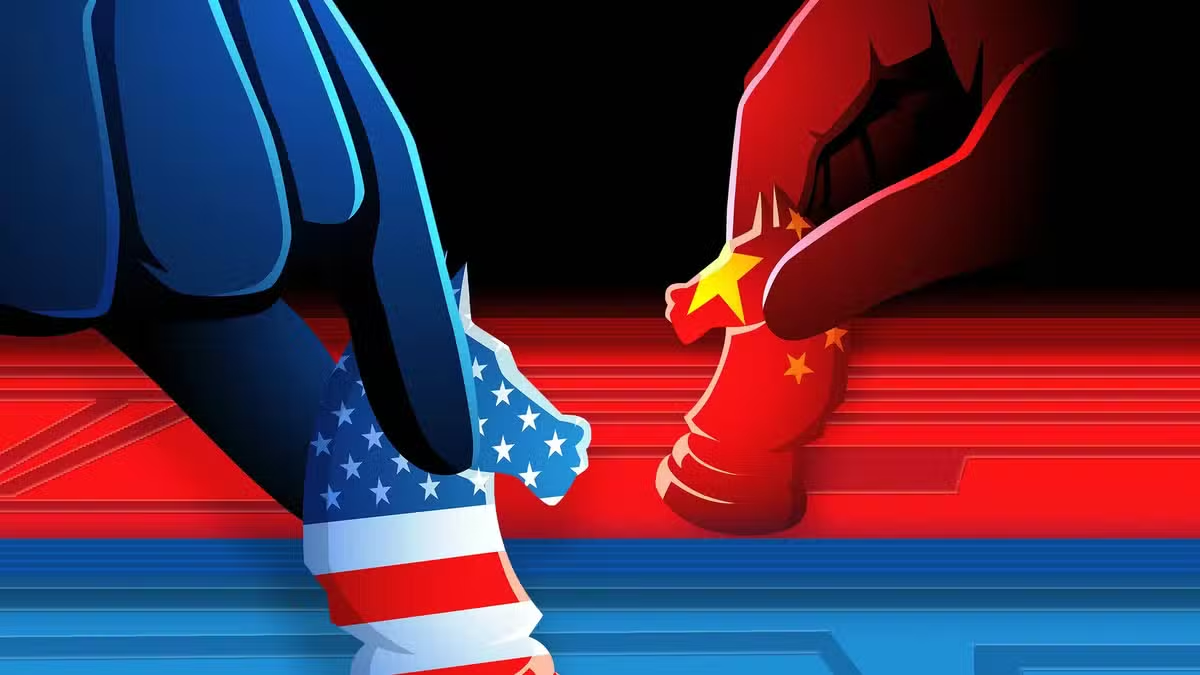
The clash reflects a broader divide within US technology and policy communities over the best strategy to maintain American leadership in artificial intelligence. Some experts believe the country should prioritize open-source innovation to compete with rapidly advancing Chinese AI companies, while others argue that stricter controls and carefully managed development are necessary.
China’s progress in artificial intelligence has become a major focus in Washington, especially as Beijing-based technology companies continue investing heavily in advanced AI research. The release of models like Kimi has raised questions about whether open-source approaches could allow Chinese firms to compete more effectively with established American AI companies.
The competition between China and the United States in AI development extends beyond technology alone. It also involves economic growth, national security, military applications, and global influence. Governments and technology leaders are increasingly viewing artificial intelligence as a strategic asset that could shape future industries and international relations.
For major US AI companies, the rise of powerful open-source models presents both opportunities and challenges. While open innovation can encourage broader adoption and research, it may also increase competitive pressure on companies building premium AI systems.
The ongoing debate among Trump’s former and current advisers demonstrates how China’s advancements in artificial intelligence are influencing discussions about America’s technology policies. As AI competition accelerates, policymakers and industry leaders will continue debating the balance between innovation, security, and global competitiveness.
The emergence of Kimi marks another significant development in the rapidly evolving AI landscape, where technological breakthroughs from both China and the United States are reshaping the future of artificial intelligence.