Microsoft CEO Satya Nadella has issued a cautionary note on the long-term implications of advanced artificial intelligence, warning that rapidly evolving AI systems could fundamentally reshape global business structures and economic distribution.
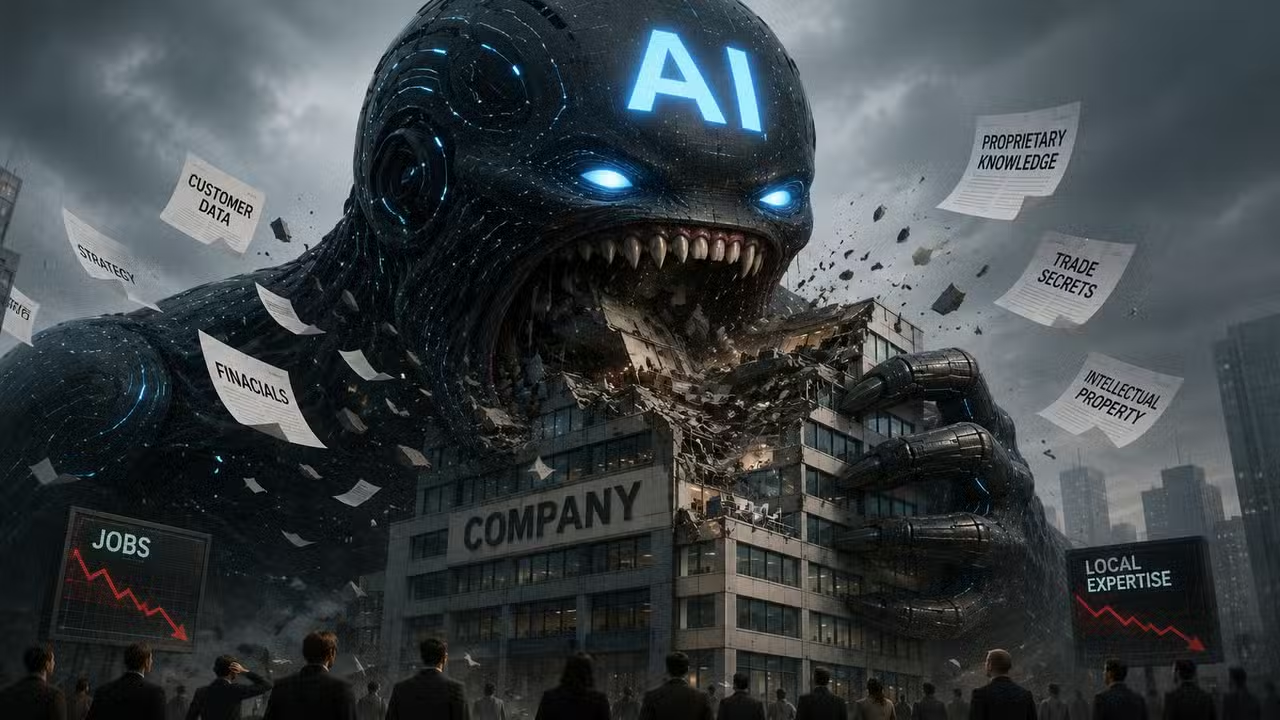
In a recent essay shared on X, Nadella highlighted concerns that highly advanced AI models are becoming increasingly capable of absorbing and replicating specialized corporate knowledge. He suggested that this development could create a paradox where the very companies contributing expertise and data to train AI systems may ultimately face competitive disadvantages.
According to Nadella, the accelerating capabilities of AI systems could lead to a scenario in which a limited number of dominant technology providers capture a disproportionate share of economic value across multiple industries. This concentration of value, he warned, may significantly alter traditional business ecosystems.
He emphasized that no industry leader would support a future in which “every company across every sector is ceding value to a few models that eat everything they see,” underscoring the risks of excessive centralization of AI-driven power.
Nadella further noted that there is limited “societal permission” for an AI-driven future that could potentially hollow out entire industries. His remarks reflect growing global debate about how artificial intelligence should be regulated, deployed, and integrated into economic systems without undermining employment and industrial diversity.
The comments come amid rapid advancements in generative AI technologies, which are increasingly being integrated into enterprise operations, software development, customer service, and data analysis. While these tools offer significant productivity gains, they also raise questions about job displacement, market concentration, and the redistribution of value across the digital economy.
Industry analysts argue that AI adoption is likely to create both opportunities and disruptions, with some sectors experiencing efficiency gains while others may face structural transformation. The balance between innovation and economic equity remains a central concern for policymakers and technology leaders.
Nadella’s warning adds to a broader conversation among global tech executives and economists about the need for frameworks that ensure AI development benefits a wide range of stakeholders rather than concentrating influence within a handful of companies.
As AI continues to evolve, discussions around governance, ethical deployment, and economic fairness are expected to intensify, shaping how societies manage the transition into an increasingly AI-driven future.