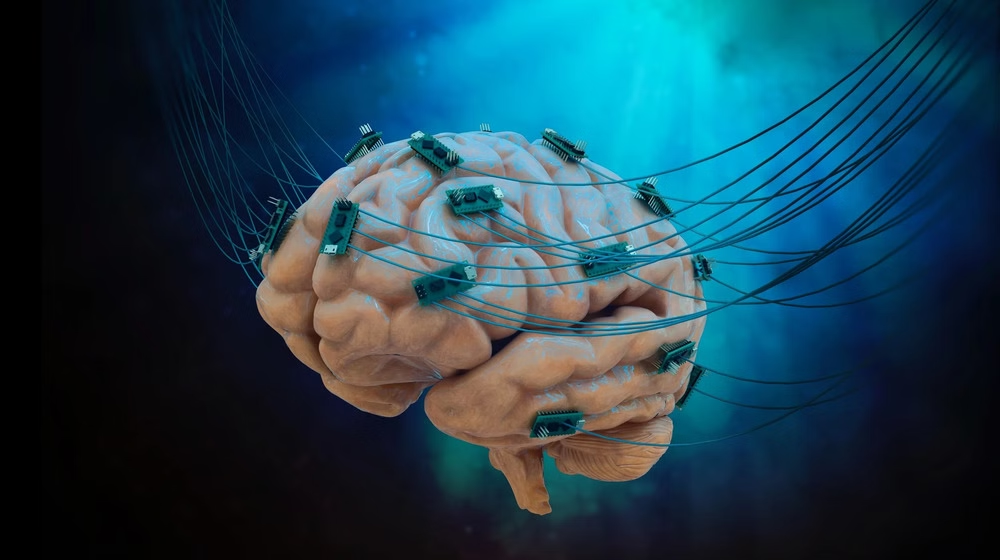
A groundbreaking step in neurotechnology is on the horizon as Science Corporation moves forward with plans to implant its brain sensor into a human for the very first time. The company, founded by Max Hodak, is preparing to begin early-stage human trials in the United States, marking a significant moment in the development of brain-computer interfaces.
The initiative aims to explore a new frontier in how humans interact with technology. Unlike traditional approaches, Science Corporation is developing a biohybrid system that blends living neurons with advanced electronic components. This could potentially enable direct communication between the human brain and digital devices, opening the door to revolutionary medical and technological applications.
A key figure joining the effort is Murat Günel, a leading neurosurgery expert and chair at the Yale School of Medicine. After two years of discussions with the company, Dr. Günel has come on board as a scientific adviser and will play a central role in overseeing the implantation of the first sensor into a human brain.
The planned procedure represents a major milestone not just for Science Corporation, but for the broader field of neurotechnology. Brain-computer interfaces (BCIs) have long been studied for their potential to treat neurological conditions, restore lost functions, and enhance human capabilities. However, integrating lab-grown neurons into such systems introduces a new level of complexity and possibility.
Experts believe that biohybrid interfaces could significantly improve signal quality and adaptability compared to purely electronic implants. By leveraging biological components, these systems may better mimic natural brain processes, potentially leading to more seamless and efficient communication between humans and machines.
While the company has not disclosed detailed timelines or trial parameters, the announcement underscores the growing competition and innovation in the brain-tech space. Companies like Neuralink have already begun exploring similar technologies, further accelerating advancements in this field.
Despite the excitement, the development also raises important ethical and safety considerations. Human trials involving brain implants require rigorous regulatory approval and extensive testing to ensure patient safety and long-term viability. Researchers and policymakers will be closely monitoring the progress of these trials.
If successful, this technology could pave the way for transformative applications, from treating paralysis and neurological disorders to enabling entirely new forms of human-computer interaction. As Science Corporation moves toward its first human implant, the world will be watching closely to see how this next chapter in neuroscience unfolds.