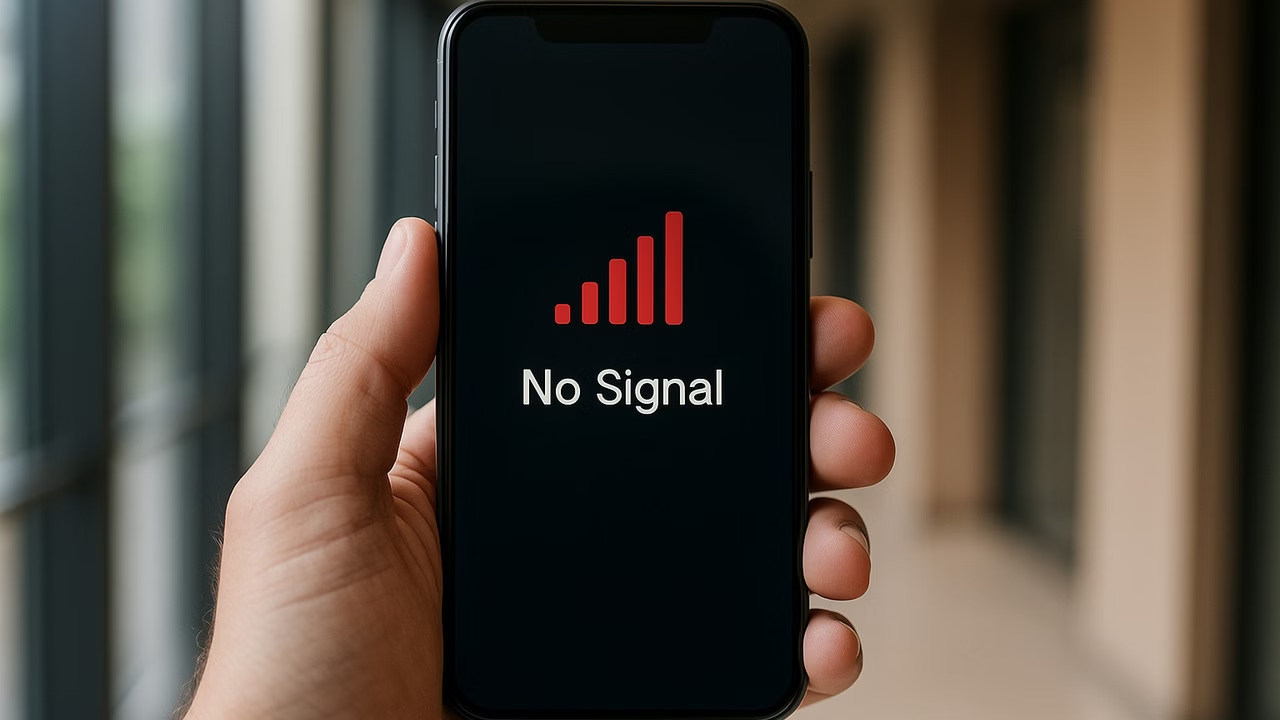
A concerning wave of cyber interference targeting navigation systems is spreading rapidly across countries neighboring Pakistan, signaling a new phase of modern conflict. Over the past 25 days, thousands of incidents involving Global Positioning System disruptions have been reported, raising alarms among aviation, maritime, and security authorities.
Experts warn that these attacks rely on sophisticated techniques such as jamming and spoofing. Jamming disrupts GPS signals by overwhelming them with electromagnetic interference, effectively blocking accurate positioning. Spoofing, on the other hand, is more deceptive, as it transmits false signals to mislead navigation systems, causing aircraft and ships to unknowingly deviate from their intended routes.
The rise in such incidents has been observed during recent tensions between Pakistan and India, where electronic interference appeared to coincide with heightened geopolitical activity. Analysts suggest that these tactics are increasingly being used as tools of cyber warfare, allowing actors to disrupt critical infrastructure without direct confrontation.
Beyond South Asia, similar patterns have now been detected around Iran and across the broader Middle East. These developments indicate that GPS interference is no longer a localized issue but part of a wider regional trend impacting global navigation safety.
The implications of these attacks are significant. In aviation, inaccurate GPS data can compromise flight paths and increase the risk of operational errors. In maritime operations, spoofing can mislead ships into unsafe waters or congested routes. Both scenarios pose serious threats to safety, trade, and international logistics.
Security experts emphasize the urgent need for stronger countermeasures, including enhanced signal monitoring, alternative navigation systems, and international cooperation to address this evolving threat. As reliance on satellite-based navigation continues to grow, safeguarding these systems has become a critical priority for governments and industries alike.
The surge in GPS hacking attempts underscores how technology is reshaping the landscape of modern conflict. What was once limited to traditional battlefields is now expanding into digital and electromagnetic domains, where disruptions can have far-reaching consequences without a single shot being fired.