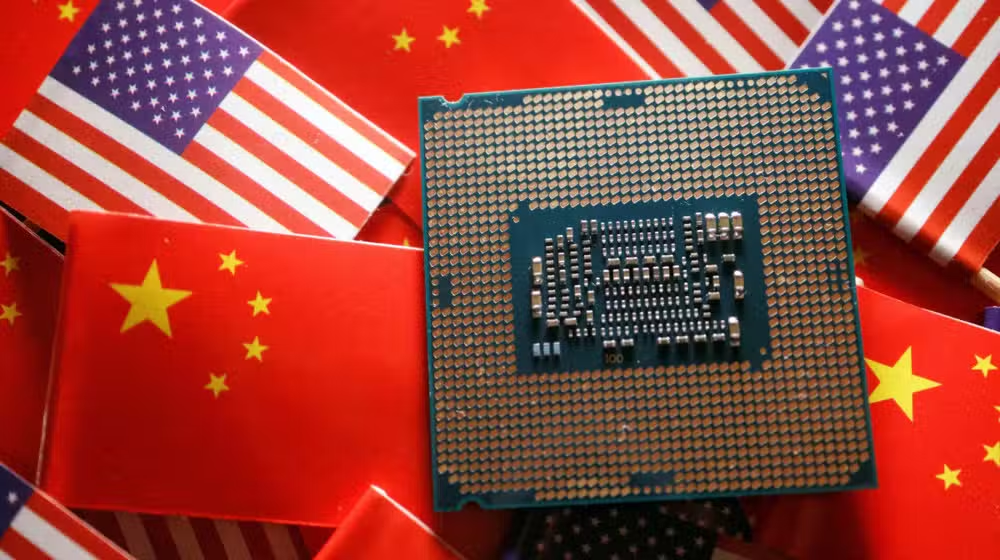
The Federal Communications Commission has announced plans to prohibit the testing of electronic devices destined for the US market in laboratories based in China. The move could significantly reshape global supply chains and compliance processes for tech manufacturers.
The decision targets a critical stage in the certification pipeline. Devices sold in the United States must meet strict regulatory standards, including requirements for radio frequency emissions and network compatibility. These checks are part of the FCC’s approval process, which ensures that electronic products operate safely within communication networks.
Currently, a substantial portion of testing is conducted in Chinese facilities, many of which are integrated into manufacturers’ research and development operations. According to the FCC, nearly 75 percent of devices intended for the US market rely on testing carried out in these labs, highlighting the scale of potential disruption.
If implemented, the ban would force companies to shift testing operations to alternative locations, potentially increasing costs and extending product launch timelines. Manufacturers may need to invest in new testing infrastructure or partner with certified labs in other countries to meet regulatory requirements.
The proposal is widely seen as part of broader efforts to strengthen oversight and reduce reliance on foreign-controlled testing environments. It also reflects ongoing concerns about security, data integrity, and supply chain transparency in the global technology ecosystem.
Industry stakeholders are closely monitoring the development, as any sudden changes to certification pathways could affect production cycles and market availability of devices. Smaller manufacturers, in particular, may face challenges adapting to new compliance frameworks due to limited resources.
While the FCC has yet to outline a full implementation timeline, the policy direction signals a shift toward tighter regulatory control over how and where electronic devices are tested before entering the US market.
As the global tech industry evolves, this move could accelerate the diversification of testing facilities and encourage regional compliance ecosystems. The long-term impact will depend on how quickly companies can adapt and whether alternative testing capacities can meet rising demand.