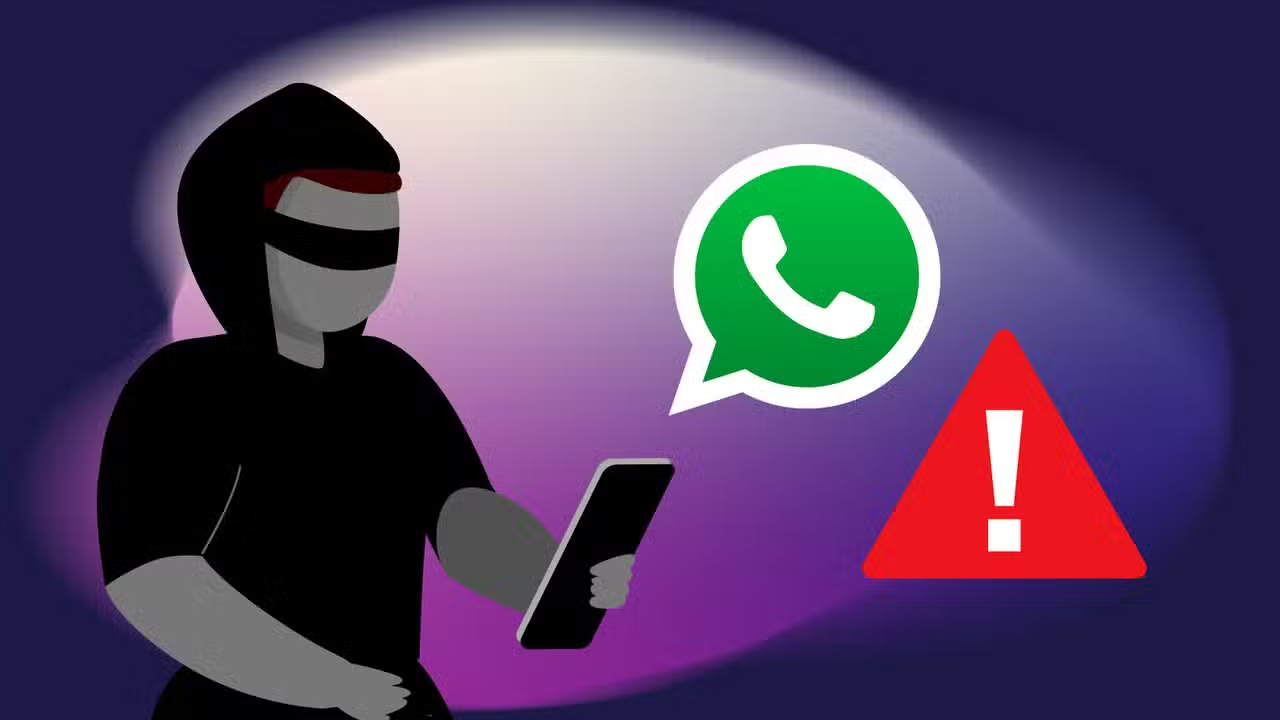
WhatsApp has begun allowing users to reserve usernames ahead of the global rollout of its highly anticipated username feature later this year. While the update is designed to improve user privacy, it has also raised concerns that scammers could exploit the system by creating fake identities that resemble public figures, financial institutions, and government organizations.
The new feature will enable users to connect and communicate through unique usernames instead of sharing their phone numbers. By reducing the need to disclose personal contact information, WhatsApp aims to enhance privacy and make it easier for people to interact securely.
However, cybersecurity experts believe the feature could introduce new risks if adequate safeguards are not in place. Fraudsters may attempt to register usernames that closely imitate well-known individuals, banks, businesses, or government agencies, making it easier to deceive unsuspecting users through impersonation scams.
Such tactics are already common on social media platforms, where scammers often create fake accounts using similar names, profile pictures, and branding to appear legitimate. Security analysts warn that WhatsApp could face similar challenges once usernames become widely available.
Regulators in India have also expressed concerns over the potential misuse of the feature. As WhatsApp’s largest market, with more than 500 million users, India represents a significant testing ground where any security vulnerabilities could affect millions of people.
Despite these concerns, Meta maintains that usernames are intended to strengthen privacy by allowing users to communicate without revealing their mobile numbers. The company is expected to introduce measures to prevent impersonation and protect users from fraudulent accounts before the feature is fully launched.
Experts recommend that users remain cautious even after the rollout. Before responding to messages claiming to represent banks, government departments, or public personalities, users should verify the sender’s identity through official channels. They should also avoid sharing sensitive financial information or one-time passwords (OTPs) through chat, regardless of how authentic an account appears.
The introduction of usernames marks one of WhatsApp’s biggest changes in recent years, offering greater privacy while also creating new challenges for online security. The success of the feature will likely depend on how effectively Meta balances user convenience with robust verification and anti-fraud protections.
As the global rollout approaches, users are encouraged to stay informed about new security features and remain vigilant against evolving online scams.