Meta has deactivated a controversial feature in its Muse Image AI generator that allowed users to create AI-generated images based on public Instagram profiles without requiring permission from account owners.
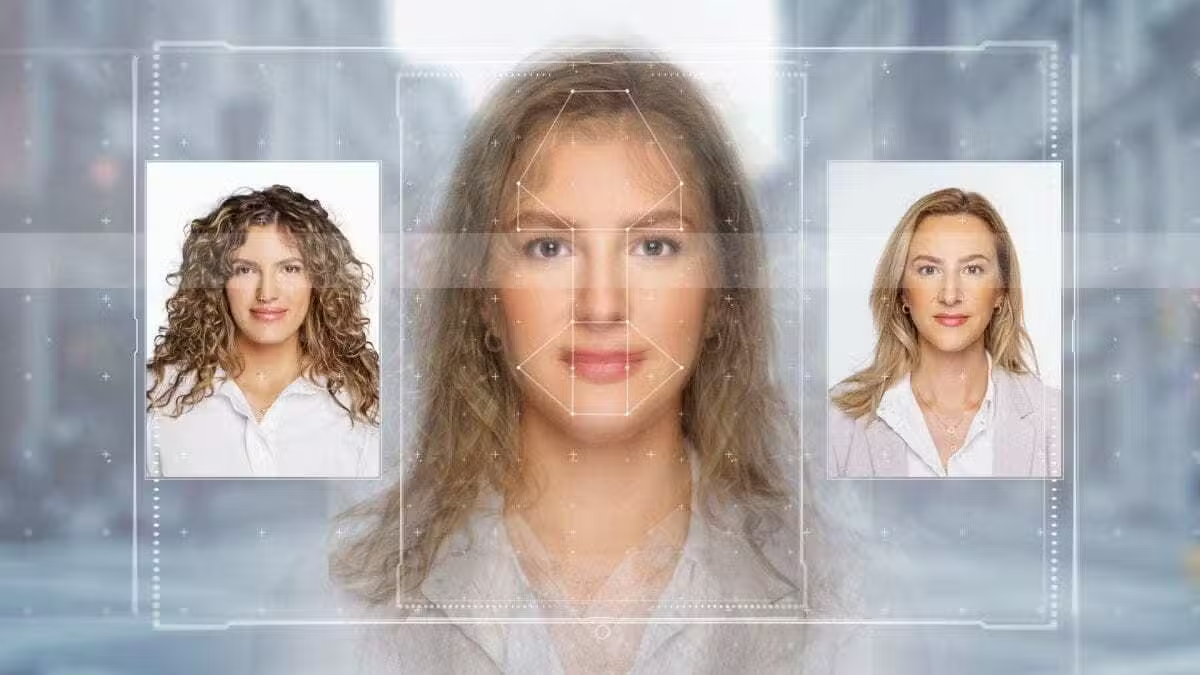
The feature, introduced alongside Meta’s AI image generation tools, allowed users to tag any public Instagram account and generate customized AI images using content from that profile’s public posts. However, the lack of an approval system raised concerns about privacy, consent, and the potential misuse of artificial intelligence technology.
When the feature was launched, Meta promoted the tool as a creative option that could help users design personalized graphics, event invitations, and collaborative visual concepts. By simply mentioning a public Instagram account, users could generate AI-based images connected to that profile’s content.
However, critics argued that the feature created opportunities for unauthorized digital manipulation and deepfake creation. Privacy advocates and online safety experts raised concerns that individuals could have their images altered or reused in AI-generated content without their knowledge or approval.
Following widespread criticism, Meta decided to disable the capability. The move reflects growing pressure on technology companies to establish stronger safeguards around generative AI tools, especially those involving real people’s images and identities.
The controversy highlights broader challenges facing social media platforms as artificial intelligence becomes increasingly integrated into digital experiences. While AI image tools offer new creative possibilities, concerns around consent, misinformation, and identity protection have become major issues for users and regulators worldwide.
Meta has previously introduced policies and labeling systems aimed at improving transparency around AI-generated content. The company has also faced increasing scrutiny over how platforms handle synthetic media, particularly content that could mislead users or harm individuals.
Experts say that AI companies must balance innovation with responsible development by ensuring users have meaningful control over how their images and personal information are used. Features involving real-person image generation are expected to face greater regulation and stricter safety standards in the future.
The removal of the Instagram AI deepfake feature demonstrates the challenges companies face when launching new artificial intelligence products. As generative AI technology continues to evolve, privacy protection, user consent, and ethical considerations are likely to remain central issues in the development of future tools.