Samsung Electronics, SK Hynix, and Micron Technology are facing a class-action lawsuit in the United States over allegations that they coordinated to restrict DRAM production and artificially inflate memory prices during the recent AI-driven demand surge. The case has drawn attention across the global semiconductor industry, where these companies collectively dominate the supply of memory chips used in modern electronics.
The lawsuit was filed on June 25, 2026, in the US District Court for the Northern District of California. It alleges that the three major memory manufacturers engaged in practices that limited DRAM supply at a time when demand for high-performance computing, data centers, and AI infrastructure was rapidly increasing.
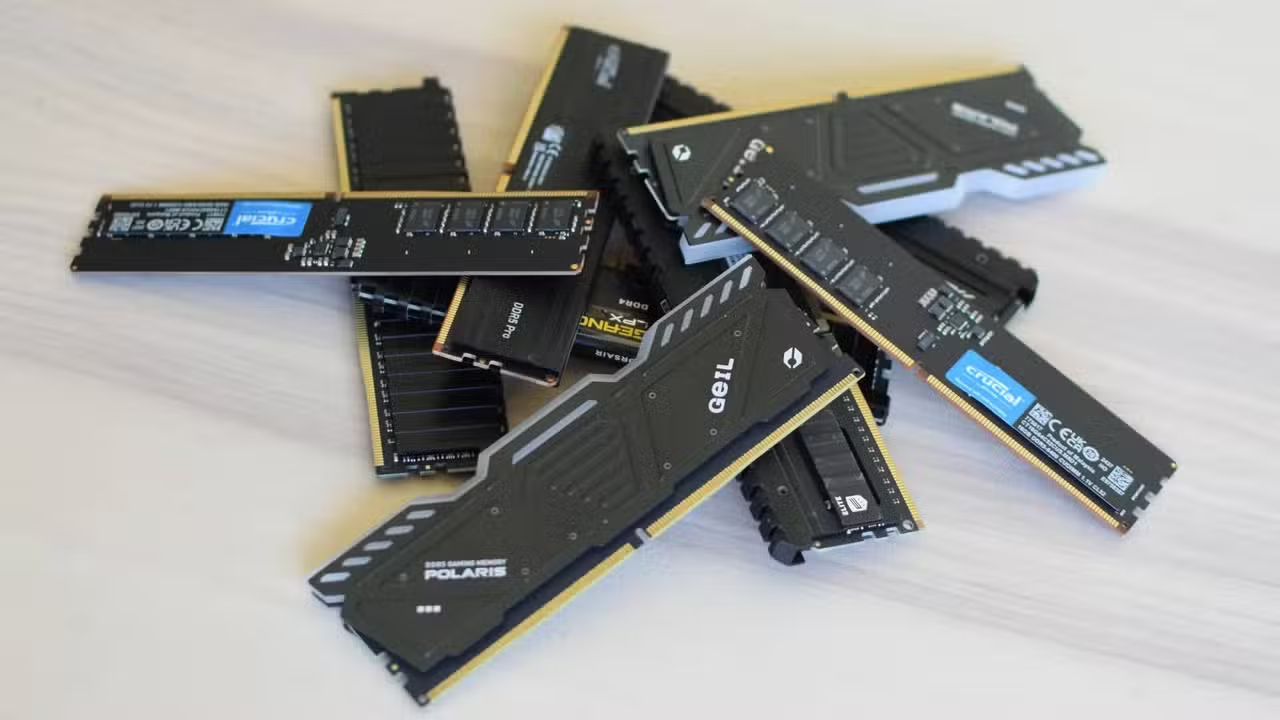
DRAM, or Dynamic Random Access Memory, is a critical component used in smartphones, personal computers, servers, and a wide range of electronic devices. Because of its essential role in computing performance, fluctuations in DRAM pricing can have a widespread impact on global technology costs and consumer electronics pricing.
Samsung Electronics, SK Hynix, and Micron Technology together control a significant share of the global DRAM market, giving them substantial influence over supply and pricing trends. The lawsuit claims that this dominance may have been used to coordinate production strategies in a way that reduced market competition.
The complaint suggests that during the AI boom, when demand for advanced memory solutions increased sharply, production constraints may have contributed to sustained higher prices. However, the companies have not been found liable, and the allegations remain subject to judicial review.
Industry analysts note that the semiconductor market is highly cyclical, with prices often fluctuating based on demand shifts, inventory levels, and global supply chain conditions. While pricing spikes are not uncommon, any coordinated effort to manipulate supply would raise serious antitrust concerns under US competition law.
If the case proceeds, it could have significant implications for the global semiconductor industry, potentially affecting how major chipmakers manage production planning, pricing strategies, and supply chain transparency.
For consumers and tech manufacturers, DRAM pricing plays a key role in determining the cost of devices ranging from budget smartphones to high-performance computing systems. Any legal findings related to price manipulation could reshape regulatory scrutiny in the sector.
As the case moves forward, Samsung, SK Hynix, and Micron are expected to respond through legal channels. The outcome could take months or even years, given the complexity of antitrust litigation in the technology industry.
For now, the lawsuit highlights growing concerns around competition in the semiconductor market at a time when AI-driven demand continues to reshape global technology supply chains.