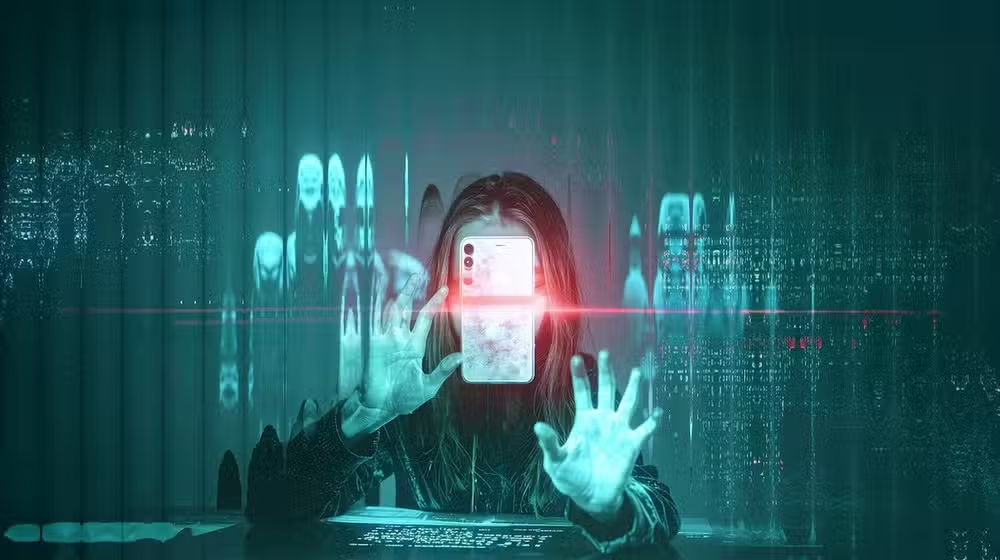
John Kiriakou has claimed that intelligence agencies possess the ability to remotely access microphones and cameras on phones and laptops, renewing global debate over digital privacy and surveillance technologies.
Speaking during an interview with LADbible, the former Central Intelligence Agency officer was asked whether the CIA can listen through smartphones and laptop cameras. Kiriakou responded affirmatively and referenced the controversial 2017 Vault 7 leak as evidence of the agency’s cyber capabilities.
Kiriakou served in the CIA between 1990 and 2004 and later became known for publicly discussing intelligence operations and national security matters. Following the September 11 attacks, he reportedly worked as the agency’s Chief of Counterterrorist Operations in Pakistan.
His latest remarks have once again brought attention to the Vault 7 disclosures published by WikiLeaks in 2017. The leak exposed thousands of documents allegedly detailing advanced cyber tools and hacking methods used by the CIA.
Reports at the time, including coverage from Associated Press, suggested the leaked documents revealed techniques capable of targeting Apple and Android smartphones during overseas intelligence operations. The files also described projects aimed at converting internet-connected televisions into covert listening devices.
Cybersecurity experts have long warned that modern electronic devices can potentially be exploited through malware, spyware, or unauthorized remote access if security vulnerabilities exist. While intelligence agencies worldwide rarely discuss operational details publicly, digital surveillance concerns have increased significantly in recent years.
Privacy advocates argue that such revelations highlight the importance of stronger cybersecurity protections, software updates, and transparent oversight of government surveillance programs. Others note that leaked intelligence documents do not necessarily confirm widespread or indiscriminate monitoring of ordinary citizens.
Technology companies have consistently strengthened device security following major cyber leaks and hacking disclosures. Firms including Apple and Google regularly issue software patches designed to address vulnerabilities that could potentially be exploited by hackers or sophisticated surveillance tools.
The discussion surrounding digital privacy, cybersecurity, and government surveillance continues to remain a major global issue as reliance on smartphones, laptops, and connected devices grows worldwide.