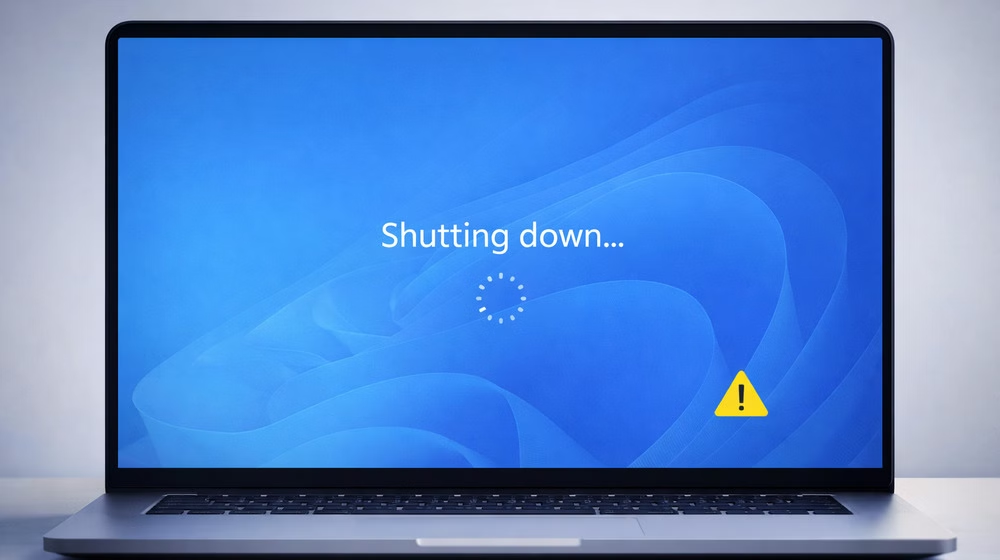
Microsoft has issued an emergency fix after rolling out what many users are calling one of the most problematic Windows 11 updates in recent months. The first Windows 11 update of 2026 introduced serious bugs that disrupted basic system functionality, forcing the company to act quickly and roll it back.
The issue gained widespread attention after a senior editor at Windows Central highlighted the severity of the problems, stating that the update broke essential features that should never fail in a stable operating system.
One of the most alarming bugs prevented affected PCs from shutting down properly. Users reported that clicking the shutdown option would either do nothing or leave systems stuck in an endless power state, forcing manual restarts or power-offs. For many, this made normal daily use frustrating and unreliable.
Another critical issue impacted Remote Desktop functionality. Some users were unable to sign in to their systems remotely, even with valid credentials. This problem hit professionals and businesses particularly hard, as Remote Desktop is widely used for work-from-home setups, IT support, and enterprise system access.
Windows Central described the shutdown bug as a major oversight, pointing out that it reflects a broader pattern of disruptive Windows 11 updates over the past year. Despite Microsoft’s extensive testing processes, the update managed to slip through internal quality checks.
Following mounting complaints, Microsoft acknowledged the issues and released an emergency fix to address both the shutdown and Remote Desktop failures. The company also halted the wider rollout of the problematic update to prevent further disruption.
Users who installed the update were advised to apply the emergency patch immediately or roll back to a previous stable version of Windows 11 if problems persisted. Microsoft has not yet confirmed how many devices were affected globally.
The incident has reignited concerns about the reliability of Windows updates, especially for users who rely on their systems for work or critical tasks. While Microsoft has emphasized its commitment to improving update quality, repeated failures have raised questions about whether current testing procedures are sufficient.
For now, affected users are seeing normal functionality restored following the rollback. However, the episode serves as another reminder of the risks associated with automatic system updates and the importance of backup and recovery options.