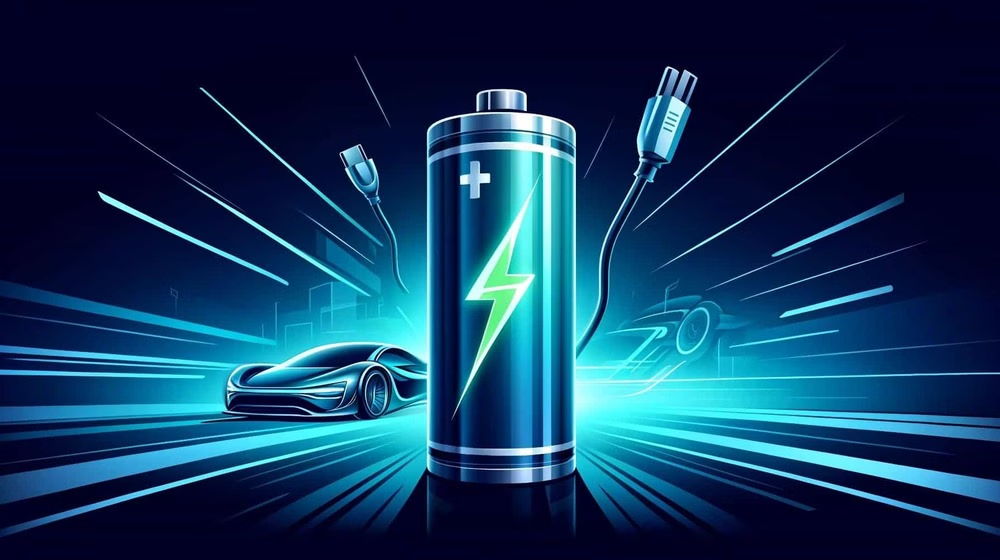
The electric vehicle industry ended 2025 with a significant shift in battery technology as sodium-ion batteries moved closer to mainstream adoption. Once considered a secondary or experimental option, sodium-ion chemistry is now gaining serious attention due to rapid progress in performance, cost efficiency, and large-scale production capabilities.
For years, lithium-ion batteries have dominated the EV market, powering everything from compact city cars to long-range electric SUVs. However, rising lithium costs, supply chain vulnerabilities, and environmental concerns have pushed manufacturers to explore alternatives. Sodium-ion batteries, which rely on more abundant and widely available raw materials, are now emerging as a strong candidate to complement or partially replace lithium-based systems.
Two major developments played a defining role in this transition. Battery giant CATL announced the commercial production of its Naxtra sodium-ion cells, marking a crucial step from laboratory research to real-world application. This move demonstrated that sodium-ion technology is no longer confined to prototypes but is ready for industrial-scale manufacturing.
At the same time, Zhaona New Energy unveiled a high-density solid-state sodium-ion battery prototype. This breakthrough addressed one of the long-standing criticisms of sodium-ion batteries: lower energy density compared to lithium-ion cells. By improving energy storage capacity and stability, the prototype showed that sodium-ion batteries could meet the demands of modern electric vehicles, particularly in the mass-market segment.
Cost remains one of the most compelling advantages of sodium-ion technology. Sodium is significantly more abundant than lithium and is easier to source globally, reducing dependence on a limited number of mining regions. This could help automakers lower battery costs, making electric vehicles more affordable for consumers and accelerating EV adoption in emerging markets.
Another key benefit is improved safety and performance in extreme temperatures. Sodium-ion batteries have shown better stability in colder climates, where lithium-ion batteries often suffer from reduced efficiency. This characteristic makes them especially attractive for regions with harsh winters and for applications where reliability is critical.
Industry analysts note that sodium-ion batteries are unlikely to replace lithium-ion technology entirely in the near future, especially for premium EVs that prioritize long driving range. However, they are increasingly seen as an ideal solution for entry-level electric cars, urban mobility vehicles, and energy storage systems.
As automakers and battery manufacturers continue to invest in alternative chemistries, sodium-ion batteries are no longer viewed as a backup plan. The progress made in 2025 has positioned them as a practical and scalable option that could reshape the economics of electric mobility.
With commercial production underway and technological barriers steadily falling, sodium-ion batteries are set to play a meaningful role in the next phase of the EV industry’s evolution.