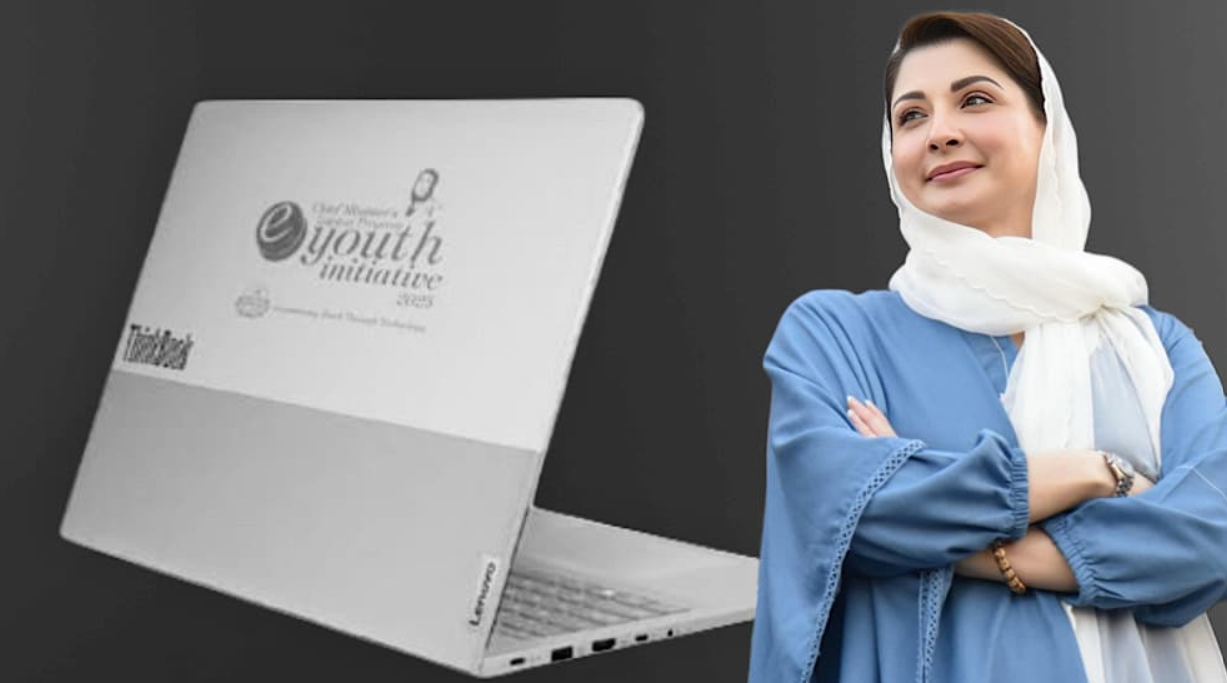
The Punjab government has officially expanded the Chief Minister Laptop Scheme, marking a significant development for higher education students across the province. For the first time, learners enrolled in private universities will also receive laptops under the initiative, a move that broadens access to digital tools long limited to public-sector institutions.
The approval, granted by the provincial leadership, signals a shift toward more inclusive academic support. In the first phase of the program, 10,000 students enrolled in private universities will be selected to receive laptops, enabling them to strengthen their academic performance in an increasingly digital learning environment.
Officials from the Higher Education Department have already begun working on the rollout, focusing on eligibility criteria, institution coordination, and distribution logistics. The extension aims to ensure that students from diverse educational backgrounds receive technological assistance essential for research, coursework, and virtual learning.
The laptop scheme has a long history in Punjab. Initially launched during a previous PML-N government, the program quickly became one of the most recognizable student-centered initiatives in the province. It provided thousands of students with necessary digital tools at a time when technology was becoming central to modern education.
However, the program was discontinued during the PTI tenure, leaving many students without access to the scheme and prompting ongoing calls for its return. With Maryam Nawaz now serving as Chief Minister, the provincial government has revived the initiative, aligning it with broader efforts to promote educational development and digital inclusion.
By extending the program to private universities, the government acknowledges the growing role of private-sector institutions in shaping the province’s academic landscape. The decision also reflects a broader understanding that equal access to digital resources is essential for academic success, regardless of whether a student is enrolled in a public or private institution.
As the scheme enters its implementation phase, students across Punjab are expressing optimism about the renewed commitment to educational support. The distribution of laptops under the new extension is expected to begin once the department finalizes selection procedures and completes institutional coordination.
This expansion marks a noteworthy step toward bridging digital gaps and ensuring that more students can engage with modern educational tools that support both academic achievement and long-term career readiness.