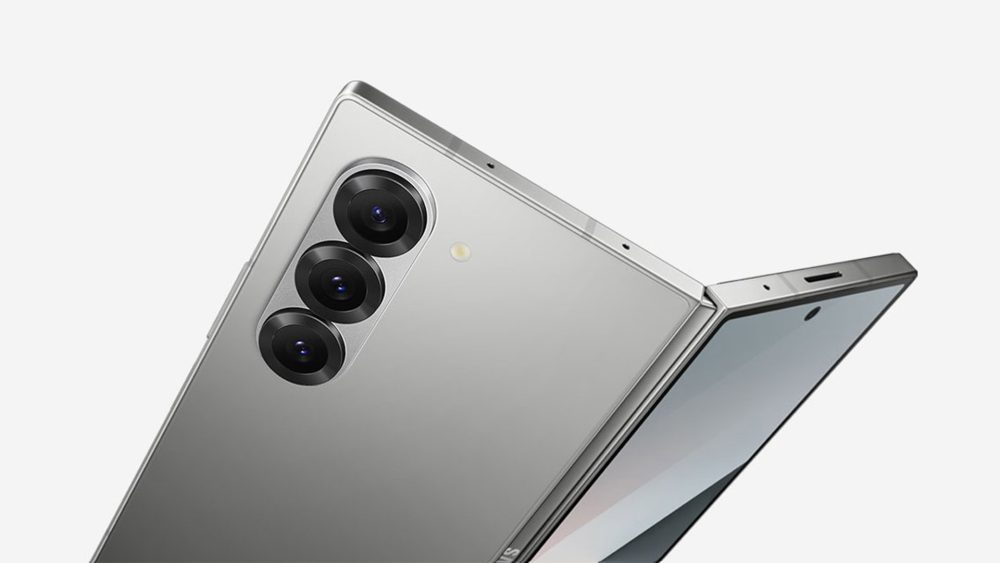
A new round of industry leaks suggests Samsung may be quietly preparing a second book-style foldable smartphone for 2026, hinting that the company could expand beyond the single premium flagship strategy it has followed for years. The rumour originated after reports identified an unreleased Samsung device carrying the model number SM-F971, which is confirmed to be a book-style foldable and not a variant of an existing model.
According to the leak, the SM-F971 is internally codenamed H8, which immediately separates it from the upcoming Galaxy Z Fold8. Samsung’s Fold8 is associated with model number SM-F976 and the codename Q8, signalling that these are two distinct products rather than different versions of one device. The difference in numbering has fuelled speculation that Samsung could be building a foldable lineup with multiple price tiers, form factors or segment-specific approaches.
Analysts believe the unknown model could represent a more compact, more affordable, or more experimental version of the traditional book-style foldable. Samsung has long held the dominant position in the global foldable market but faces growing competition from Chinese manufacturers that are pushing aggressive pricing and rapid innovation. A second foldable may reflect Samsung’s response to expanding consumer expectations and competitive pressure.
The leak also clarifies what the device is not. It is not a Flip model because Samsung reserves model numbers beginning with “7” for flip-style devices. That rules out the possibility of the SM-F971 being a clamshell foldable and narrows the scope to larger, tablet-style designs. Beyond that, no confirmed hardware specifications have surfaced, leaving room for extensive speculation around display size, processor class, hinge design, and camera capability.
If Samsung does introduce a second book-style foldable in 2026, the move could indicate a broader product diversification strategy. The foldable market is slowly transitioning from early-adopter experimentation to mass-market maturity, and manufacturers are rethinking how to scale adoption without compromising margins. Samsung’s current pricing, often above conventional flagship phones, has created a barrier for many consumers. A dual-model strategy could help solve that challenge by offering tiered options rather than a one-size premium product.
While Samsung has not publicly commented on the leak, the timing suggests the company may be entering an important phase of product planning well ahead of the 2026 cycle. Over the last two years, it has experimented with differentiated flip models, substantial hinge redesigns, and ecosystem integration through Samsung Dex, AI features, and cross-device workflows. Expanding foldables into a multi-device segment would reinforce that long-term vision.
For now, the SM-F971 remains unconfirmed, but the leak has reignited discussions around how Samsung intends to shape the future of foldable devices. If accurate, consumers could see a shift from one premium Fold per year to a more flexible lineup that matches different budgets, design demands and usage styles. As competition intensifies, Samsung’s next strategic step may determine how fast the foldable market evolves from niche luxury to mainstream technology.