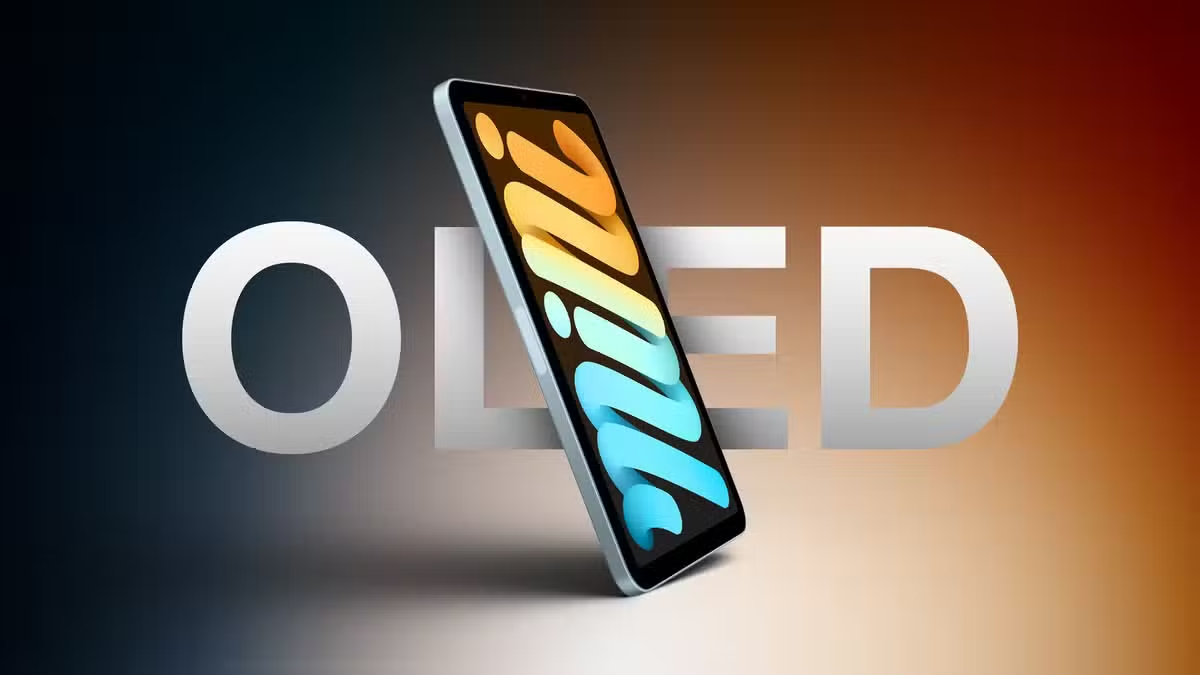
Apple’s new 2026 iPad mini introduces several notable upgrades, including an OLED display, a redesigned body and the A20 Pro chipset. The compact tablet also brings improved speakers, faster connectivity and IP67 water and dust resistance, making it a significant update to Apple’s smaller tablet lineup.
However, one detail that may influence buyers is the use of different A20 Pro processor configurations depending on the storage variant. This distinction adds another factor for customers to consider when comparing the available models.
The updated iPad mini combines a portable design with display improvements and enhanced hardware. Its new screen technology is one of the most prominent changes, marking the first time Apple has equipped its smallest tablet with an OLED panel, according to the provided product details.
The device features an 8.5-inch Super Retina XDR OLED display with a resolution of 2,316 × 1,512 pixels and a standard 60Hz refresh rate. OLED technology can deliver deeper blacks and more distinct contrast than conventional LCD panels, helping improve the viewing experience for videos, photographs, reading and everyday applications.
Despite the display upgrade, Apple has not included its 120Hz ProMotion technology. As a result, the tablet retains a 60Hz refresh rate rather than offering the smoother scrolling and animations available on supported high-refresh-rate devices.
The screen also supports peak brightness of up to 1,200 nits and features thinner bezels for a more modern appearance. Buyers can additionally choose an optional nano-texture glass finish designed to reduce reflections, which may be useful when working in brightly lit environments.
Thinner Design and Improved Portability
Apple has reduced the tablet’s thickness to 5.4mm and its weight to 255 grams. For comparison, the previous model measured 6.3mm thick and weighed 297 grams.
These changes make the new iPad mini thinner and lighter, reinforcing its appeal to people who prefer a compact device for travel, studying, reading and working on the go.
The tablet is available in Midnight and Starlight finishes. It also carries an IP67 rating for water and dust resistance, providing a degree of protection against dust and limited water exposure under specified testing conditions. This rating does not make the device waterproof in every situation.
Apple Pencil Support and Hardware Upgrades
The 2026 iPad mini supports both the Apple Pencil Pro and Apple Pencil with USB-C. This compatibility makes the tablet suitable for handwritten notes, digital illustrations, document annotations and other creative tasks.
The new A20 Pro chipset is another central feature of the updated device. However, the reported difference between processor configurations based on storage capacity is particularly important for buyers comparing versions.
Customers should examine the specifications of each storage variant before making a purchase, especially if they intend to use demanding applications or keep their tablet for several years. The exact performance differences between the processor configurations have not been established in the provided information.
Other upgrades include improved speakers and faster connectivity, which could enhance media consumption, communication and general productivity. Together with the OLED display and lighter construction, these changes aim to make the smaller tablet more capable without sacrificing portability.
What Buyers Should Consider
The new iPad mini offers a combination of a higher-contrast display, a slimmer design, stylus support and improved connectivity. These features may appeal to students, professionals, digital artists and users looking for a powerful tablet that is easy to carry.
However, the absence of a 120Hz refresh rate may disappoint users who prioritize smoother screen movement. Buyers should also compare the storage options and corresponding processor configurations before choosing a model.
Overall, Apple’s 2026 iPad mini focuses on display quality, portability and hardware improvements. Its OLED panel and reduced weight stand out as key changes, while the differences between storage-dependent chipset configurations remain an important specification to verify before purchasing.