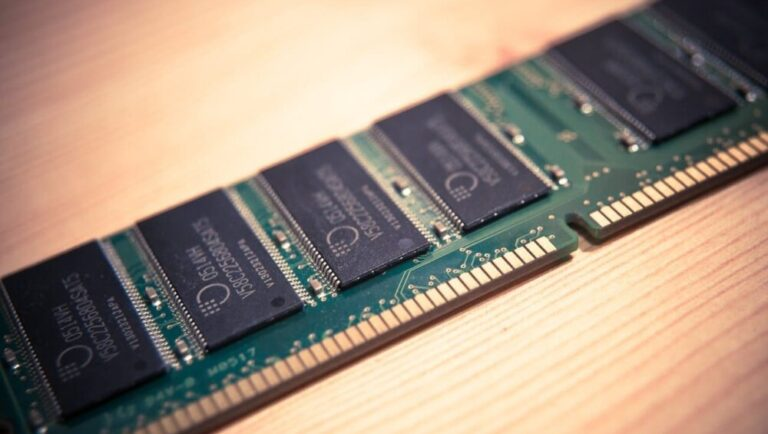
Global memory markets are witnessing an unusual trend as prices for modern RAM modules begin to decline, even as supply challenges persist. Recent data shows that DDR5 RAM prices are easing across major regions, offering temporary relief to consumers and system builders after months of steady increases.
According to insights from TrendForce, retail DDR5 RAM prices have started to fall in key global markets. In countries like Germany, prices reportedly dropped by around 7 percent in March, reflecting a broader downward trend across Europe. Similar and even more noticeable declines have been observed in the United States and China.
This price drop may seem surprising given ongoing concerns about supply constraints in the semiconductor industry. However, analysts point to a mix of short-term factors influencing the market. One major reason is a slowdown in consumer demand, particularly in the PC and hardware upgrade segments. As buyers delay purchases, retailers are adjusting prices to stimulate sales and clear inventory.
Another contributing factor is improved inventory levels among manufacturers and distributors. Earlier supply shortages led to aggressive production and stockpiling. Now that supply chains have partially stabilized, excess inventory is putting downward pressure on prices, especially for newer memory standards like DDR5.
Despite the current decline, experts caution that this trend may not last. The global memory market remains highly sensitive to shifts in demand, production costs, and geopolitical factors. Any disruption in semiconductor supply chains or a sudden surge in demand could quickly reverse the current pricing direction.
For consumers, especially in markets like Pakistan, the temporary dip in RAM prices presents a good opportunity to upgrade systems at a relatively lower cost. Gamers, content creators, and professionals relying on high-performance computing may benefit the most from this window.
Looking ahead, the trajectory of RAM pricing will largely depend on how supply-demand dynamics evolve in the coming months. While the current decline offers short-term relief, uncertainty still looms over the long-term stability of memory prices in the global tech market.