Microsoft has introduced a groundbreaking data storage innovation that could redefine how digital information is preserved for the long term. Researchers at the company have successfully developed a system that stores massive amounts of data inside glass, offering a durable and future-ready alternative to conventional storage solutions.
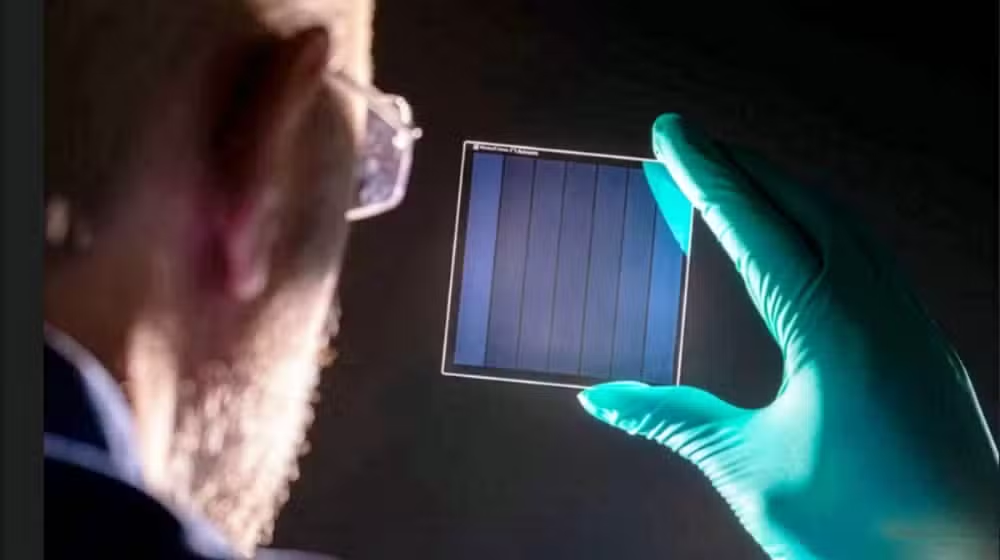
In a recent demonstration, the technology managed to store nearly two terabytes of data within a thin plate of borosilicate glass. Even more impressively, the stored data was retrieved without any errors, highlighting the reliability and precision of this emerging storage method. This advancement signals a potential shift in how organizations handle ever-growing volumes of digital information.
The concept behind glass storage revolves around encoding data using lasers to create microscopic structures within the glass. These structures can then be read back using advanced imaging and artificial intelligence systems. Unlike traditional storage devices, glass does not degrade easily over time, making it an ideal candidate for long-term data archiving.
Current storage technologies, such as hard drives and magnetic tapes, have significant limitations. They are prone to physical wear and environmental damage, often requiring replacement within a few years. This creates an ongoing challenge for companies and institutions that must continuously transfer data to new hardware to avoid loss or corruption.
As global data generation accelerates, the need for sustainable and low-maintenance storage solutions has become more critical than ever. Glass storage addresses this issue by offering a medium that can potentially last for decades or even centuries without degradation. This could drastically reduce the cost and effort associated with data migration and preservation.
Another key advantage of this technology is its compact size. Storing terabytes of information in a small piece of glass not only saves physical space but also improves efficiency for large-scale data centers. It could prove especially valuable for industries that rely heavily on archival data, including research institutions, governments, and cloud service providers.
While the technology is still in its developmental stages, its successful demonstration marks a major step forward in data storage innovation. If commercialized, it could complement or even replace existing storage systems, paving the way for more resilient and sustainable data infrastructure.
Microsoft’s breakthrough reflects a broader trend in the tech industry, where companies are exploring advanced materials and methods to tackle the challenges of exponential data growth. As demand for reliable storage continues to rise, innovations like glass-based data storage could play a central role in shaping the future of digital preservation.