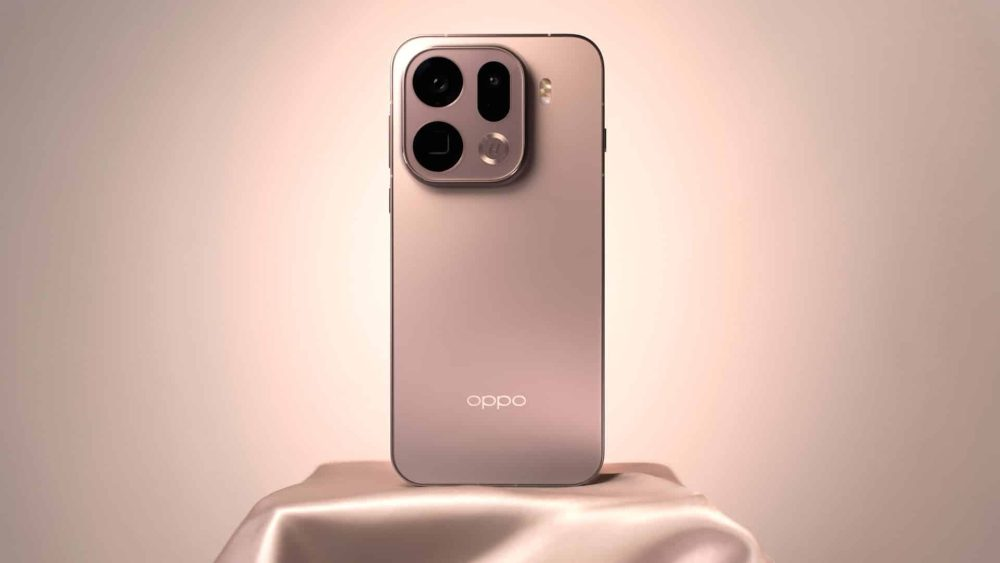
Chinese smartphone brands such as Xiaomi, Oppo, and OnePlus have rapidly adopted much larger batteries in their latest devices. Many flagship models from these companies now feature batteries exceeding 5,500mAh, appealing to users who prioritize long screen time and fast charging. However, this trend has not been followed by global giants like Samsung, Apple, and Google.
Despite growing consumer demand for better battery life, these major brands have largely avoided significantly increasing battery sizes in their flagship smartphones. A new explanation sheds light on why this gap exists, pointing to regulatory challenges rather than technical limitations.
According to information shared by well-known tipster Ice Universe on X, US federal transportation regulations play a key role in shaping battery design decisions for global smartphone manufacturers. The rules fall under Title 49 of the Code of Federal Regulations, specifically section 173.185, which governs the transport of lithium-ion batteries.
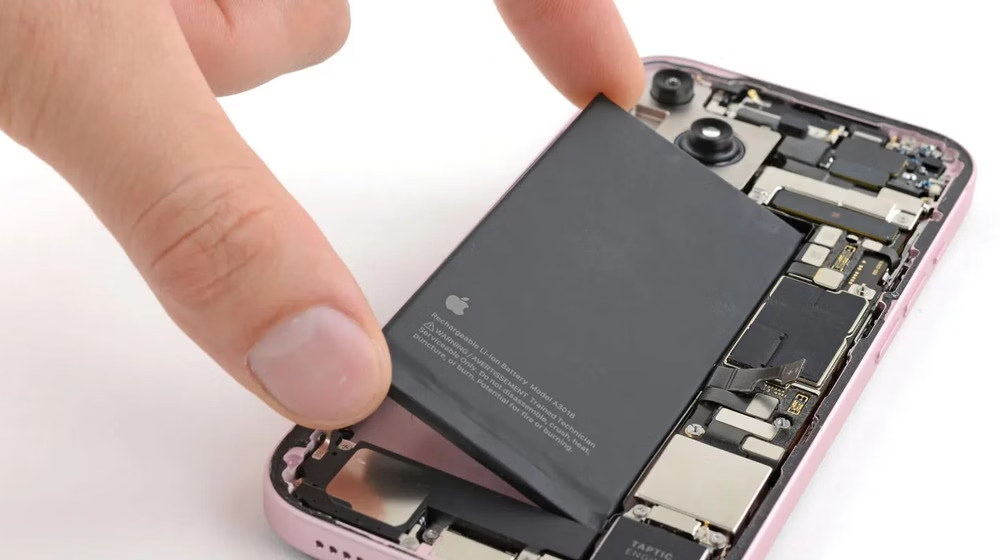
Under these regulations, lithium-ion battery cells are limited to a maximum of 20 watt-hours for simplified shipping and handling. Batteries that exceed this threshold are classified as hazardous goods, triggering stricter requirements for packaging, labeling, documentation, and transportation.
For companies like Apple, Samsung, and Google, which ship millions of devices worldwide, crossing this limit can significantly increase logistics costs and operational complexity. Devices with larger batteries would require additional compliance steps, slower shipping processes, and higher insurance and freight expenses, especially for air transport.
Chinese manufacturers often sell a large portion of their devices within domestic or regional markets, where regulatory frameworks and logistics costs may be more flexible. This allows them to experiment with higher-capacity batteries without facing the same global distribution challenges.
Instead of increasing battery size, companies like Apple and Samsung have focused on improving efficiency through software optimization, advanced chip design, and power management technologies. Google has taken a similar approach by relying on AI-driven battery optimization rather than larger physical batteries.
As battery technology evolves and regulations adapt, larger batteries could eventually become more common across all brands. For now, strict transport rules remain a major reason why leading global smartphone makers continue to prioritize efficiency over sheer battery capacity.