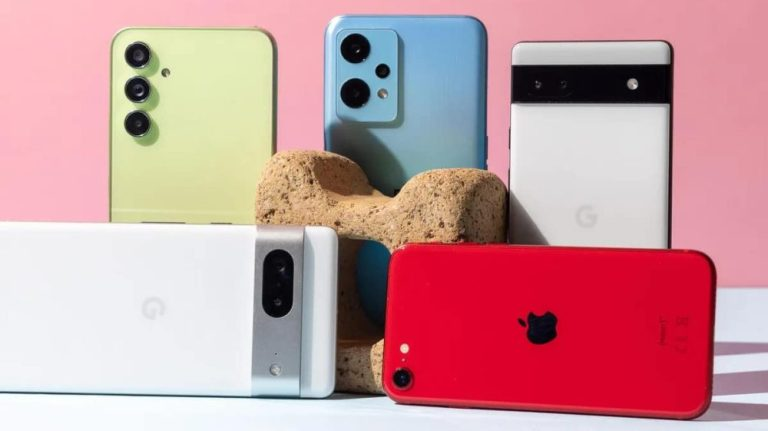
The global smartphone industry recorded steady progress in 2025, continuing its recovery after years of uneven demand. According to preliminary figures released by Counterpoint Research, worldwide smartphone shipments grew by 1 percent year on year in the final quarter of 2025, while full-year shipments increased by 2 percent. This marked the second consecutive year of expansion for the sector.
While overall growth remained modest, 2025 delivered a major shift in smartphone maker rankings that surprised industry observers. After trailing competitors for years, one major brand finally secured the top position in global shipments, reshaping the competitive landscape.
Apple emerged as the world’s largest smartphone manufacturer in 2025, capturing a 20 percent share of the global market. This means that one out of every five smartphones shipped during the year carried the Apple logo, a milestone that underscores the company’s growing dominance.
Among the top five smartphone brands, Apple also recorded the fastest growth rate. Its shipments increased by 10 percent compared to the previous year, significantly outperforming rivals in a market that otherwise saw only incremental gains. This surge reflects strong demand across multiple regions, particularly for premium devices.
Industry analysts point to several factors behind Apple’s breakthrough year. A diversified product lineup, consistent software support, and strong brand loyalty played a central role in driving sales. In addition, Apple benefited from stable supply chains and effective distribution strategies at a time when some competitors continued to face operational challenges.
The achievement is particularly notable given Apple’s long-standing position just behind the market leaders in annual shipment rankings. Despite consistently high revenues and profits, the company had often lagged rivals in total unit volumes. The 2025 results indicate that Apple has successfully closed that gap.
The broader smartphone market also showed signs of maturity rather than rapid expansion. Growth was driven mainly by replacement demand and gradual upgrades, especially in emerging markets. Premium smartphones continued to perform well, helping brands with strong high-end portfolios maintain momentum.
Apple’s rise to the top highlights a shift in consumer preferences toward reliability, long-term software updates, and ecosystem integration. As competition intensifies, other manufacturers may need to rethink pricing, innovation, and differentiation strategies to regain ground.
Looking ahead, analysts expect competition among top smartphone makers to remain fierce. However, Apple’s performance in 2025 has set a new benchmark for rivals, proving that persistence and strategic focus can eventually translate into leadership, even in a saturated global market.